
Weavelinx

Author name: weavelinx

The Evolution of SEO: A Journey Through Time
Blog

The Evolution of SEO: A Journey Through Time

Introduction Today, search engine optimization (SEO) has changed with time. From its simple beginnings to a complex field today. In our digital world, being seen online is very important. SEO keeps improving to meet what users and search engines want. This blog will explain to you the history of SEO. When it started to the modern strategies. We use now how Weavelinx helps businesses succeed in this competitive area. The origin of SEO in the 1990s The search engine optimization foundation of business growth. SEO was started in the early 1990s. When the rise of search engines like Yahoo and AltaVista. As the internet grows with many new websites. Then website owners wanted to rank higher in search results. Key Features: Keyword Stuffing: In the early days, SEO a large amount of showed putting as many keywords. As possible in the text, even if it made it hard to read. Basic On-Page SEO: Adding keywords in title tags, meta descriptions, and headers was the first step to optimizing websites. Simple Algorithms: Search engines had basic rules, so people could easily change their rankings by repeating keywords and building links. The Early 2000s: Google’s Revolution and PageRank In the early 2000s, Google changed the PageRank. Which focuses on the quality and number of backlinks to rank websites. Key Milestones: Importance of Backlinks: SEO shifted focus to getting backlinks. It acts as a vote of trust for websites. Anchor Text Optimization: The text used in links became important for how search engines understood linked content. Algorithm Updates: The Florida Update in 2003. It disciplined keyword stuffing and helped SEO become more focused on user needs. As Google became the main search engine, SEO turned into a more strategic practice that required a mix of technical skills and content knowledge. Mid-2000s to 2010: Content Takes the Throne Content is an important part of SEO, and “Content is King” became very important in the mid-2000s. Google started focusing on giving users high-quality, relevant content instead of just keyword-heavy text. Key Developments: Content Relevance: Search engines began to favour content that effectively answered user queries. XML Sitemaps: These tools helped search engines find and index web pages better. Local SEO: When linked with Google Maps and Google My Business. Then local search optimization became necessary for businesses. User Experience: Factors like page speed and mobile friendliness are important in SEO. It affects rankings as user satisfaction becomes essential. Businesses began to invest more in creating quality content, leading to the boom of content marketing. This was also when Weavelinx started helping clients improve their content strategies. Businesses began to invest more in creating quality content, leading to the boom of content marketing. This was also when Weavelinx started helping clients improve their content strategies. 2010 to 2015: The Algorithm Age As SEO matured, Google introduced big algorithm changes to stop unfair practices and promote high-quality content. Major Updates: Panda (2011): This update deals with low-quality content, making valuable content necessary. Penguin (2012): Penguin related to corrupt link-building practices and rewarded sites with high-quality backlinks. Hummingbird (2013): Hummingbird is concerned with understanding the intent behind user queries. It focuses on helping users match keywords. During this time, the focus was on creating meaningful and user-friendly content. Weavelinx helps clients change by stressing authentic links and improving content quality. 2015 to Present: Mobile-First, Artificial intelligence, and E-A-T In the last decade, SEO has become more complex and lengthy. Because search engines focus on mobile optimization, user experience, and trustworthiness. Mobile-First Indexing (2018): Google started giving weightage to mobile versions of websites for ranking. Businesses are required to make their websites mobile-friendly. It helps to keep their rankings. Weavelinx is an expert in creating websites that are responsive and easy to use on mobile devices. Artificial intelligence (AI) and RankBrain: A search engine update in their algorithm informs of RankBrain in 2015. Search engine AI-driven algorithms made SEO more focused on user intent. AI can now handle complex search queries and give better results. Weavelinx uses AI tools to help clients improve their search performance.   The Importance of Credibility In 20they are credible and reliable, especially in areas like health and finance. To rank well on search engines, websites must show their expertise and authority. This is where Weavelinx comes in SEO. They help you in business building. It increases your reputation through quality content and reliable connections. Accepting new search technologies: As technology advances, so do the ways people search online. With the growing use of voice assistants like Siri or Alexa. People are searching more conversationally. Weavelinx helps businesses modify by optimizing their websites for these kinds of searches. They ensure that they stand out in visual searches long-term. User Experience Matters: In 2020, Google updated measures to check how user-friendly websites are. They are focusing on things like page loading speed and how easy the site is to use. These factors have become important for ranking high in search results. Weavelinx helps make websites faster and more enjoyable for visitors. Looking Ahead: The Future of SEO As technology and online habits change, SEO will need to change with time. Here’s what we can expect: The role of artificial intelligence: Artificial intelligence is gently important in how search engines rank websites. AI can better understand what users are looking for and provide more personalized results. Weavelinx is using these advanced tools to help businesses increase their content and visibility. Preparing for voice and visual searches: With the popularity of voice assistants growing. Businesses need to think about how people phrase their questions when speaking. Weavelinx is getting companies ready to take advantage of these changes. Addressing Privacy Concerns: As people become more alert to privacy issues, SEO strategies must also be modified with people. Weavelinx helps businesses maintain a strong online presence. They are amid changes in data privacy laws and the rise of zero-click searches. Insert to Ethical Practices: With the evolution of search algorithms, businesses need to use just and ethical SEO

Discover how AI is revolutionizing digital innovation, transforming industries, and driving new possibilities. Explore the journey of AI's impact on technology, business, and everyday life." Discover how AI is revolutionizing digital innovation, transforming industries, and driving new possibilities. Explore the journey of AI's impact on technology, business, and everyday life." "Discover how AI is revolutionizing digital innovation, transforming industries, and driving new possibilities. Explore the journey of AI's impact on technology, business, and everyday life." Discover how AI is revolutionizing digital innovation, transforming industries, and driving new possibilities. Explore the journey of AI's impact on technology, business, and everyday life."
Blog

The Evolution of Digital Innovation Through AI

Introduction Artificial intelligence (AI) is not just an imaginary concept; it is already. They convert how businesses work in many industries. From increasing user experiences to optimizing websites for search engines, AI has become essential in digital strategies. Weavelinx is an agency focused on SEO, UX/UI design, and software development. They are leading the way in using AI. To help clients succeed in an increasingly digital environment The rise and shine of AI AI began in the mid-20th century. When mathematician Alan Turing asked, “Can machines think? This question led to the Turing Test, which measures if a machine can behave like a human. In the 1950s, serious AI research started with early programs. They solved math problems, played chess, and proved logic. The period between the 1980s and 1990s brought about major developments in AI, by using better computing power and machine learning algorithms. Currently, AI is experiencing significant growth due to large datasets, faster processors, and advanced algorithms. That enables machines to learn and improve independently. AI is now a major part of many sectors. Including healthcare, finance, manufacturing, and the digital world. AI, most importantly Weavelinx digital marketing, UX/UI design, and software development. How AI Works Artificial intelligence uses advanced algorithms to analyze large amounts of data. They help machines understand information and make smarter decisions. Machine learning is the main part of AI. Where machines are trained on large datasets. During training, machines learn to spot patterns and connections. By allowing them to make forecasts and resolutions  based on what they find. This ability leads to many uses, such as predicting trends and giving personalized recommendations. In SEO and UX/UI design, AI helps improve user experiences by analyzing how people behave online and predicting trends. It works faster and better than manual methods. AI tools are like extraordinary learners. They keep getting better over time. As they gather more data and experiences. The Benefits of AI AI is a game-changer factor in the digital world. It plays a multiple role in SEO, UX/UI, and software development. AI in SEO: Boosting Search Optimization SEO is significant for improving website visibility and attracting organic traffic. As SEO becomes more complicated with changing algorithms, like Google, AI offers tools that automate and enhance various parts of SEO. Keyword Research and Content Optimization: AI can analyze what users are searching for. They help marketers find the best keywords. Tools SEMrush and Ahrefs are more important. They are used in automated keyword research, content optimization, and backlink analysis. Weavelinx uses AI to target the right keywords, optimize content, and improve search rankings. Voice Search Optimization: SEO With voice assistants essential, like Siri and Alexa. Voice search is changing how SEO works. AI natural language processing systems help optimise websites. It includes voice queries. They keep businesses relevant in the digital market. This is an evolving search method. Real-Time Data Analysis: AI can analyze SEO data in real-time. It includes spotting trends, monitoring competitors, and making adjustments. This technique used agencies like Weavelinx. They use techniques to create proactive SEO strategies. It boosts visibility and rankings. AI in UX/UI: Improving User Experiences In UX/UI design, AI helps designers create interfaces and experiences. By analyzing user behaviour and making real-time adjustments. AI leads to more personalized and efficient digital interactions. Behavioural Analysis: AI tools track how users interact with websites or apps. It provides insights into their preferences and frustrations. Weavelinx uses these insights to create user-friendly and intuitive designs. Personalization: AI helps tailor user experiences by predicting what they want based on past behaviour. Whether recommending products or content. AI ensures users have a customized experience. Weavelinx uses AI to deliver personalized solutions to keep users engaged. Improved Design Efficiency: AI-driven design tools can automate routine tasks. Like wiring and prototyping, saving time and reducing errors. This technology is used by the Weavelinx UX/UI team to focus on more creative and strategic work. AI in Software Development: Smarter and Faster Solutions AI is used in search engine optimization and UX/UI fields. AI plays an important role in software development. AI-powered tools can help in coding, bug detection, and testing. This makes the development process faster and more efficient. They make it less given to errors.   Automated Testing and Debugging : AI tools identify and fix bugs, and this method is efficient. They streamline testing processes by automating tasks. It involves regression testing, performance testing, and security checks. At Weavelinx, AI-driven tools confirm that the software is reliable, secure, and performs optimally. Predictive Analytics: AI can forecast potential roadblocks in software development projects, such as delays or system failures. This enables Weavelinx to mitigate risks early in the development cycle and ensure on-time delivery. Code Generation and Assistance: AI-assisted coding tools, like GitHub Copilot, help developers by suggesting even writing entire code blocks. This increases the speed of the development process. They are maintaining high-quality standards. AI Use Cases at Weavelinx At Weavelinx, AI is deeply integrated into our operations. We use AI to optimize our clients’ websites for search engines. AI is used to ensure higher rankings and increased traffic. Our UX/UI services benefit from AI-driven insights. They help us to create more natural and personalized designs. In software development, AI helps us provide smarter solutions. It confirms our clients come first in a changing digital landscape. Challenges and Risks of AI All for AI have many benefits. But AI also presents challenges and risks that businesses must address. Data Privacy: AI counts heavily on data, but the collection and use of personal information raise privacy concerns. Misuse of data can lead to legal effects and damage a company’s reputation. Bias in AI: AI systems can sometimes lift biases from the information. They learn from it. If systems are trained using biased data, they finish up making unfair or tilted decisions. This can impact how users feel about the technology and whether they believe it makes fair choices. Loss of transparency: The decision-making processes of AI can be challenging to

Blog

How Can Advanced SEO Services Boost Your Online Visibility?

 Today’s world is digital; online presence increases the chance of business success. SEO is essential for improving a company’s visibility. It is no longer considered a luxury. At Weavelinx, we’ve built an experiential SEO service that customizes the website to each business’s long-term success. We aim to help you grow all your businesses. We want you to rank highly in search results. We attract traffic and convert visitors into customers. This blog describes Weavelinx’s SEO services. We will discuss the challenges, tools, and improvements needed to achieve success. Our goal is to grow your business in the digital marketplace. This includes deep keyword research and advanced link-building strategies. Project Goal SEO always changes every day because of developments in search engine algorithms and changes in user behaviour. We know that one strategy does not work for everyone. We create different SEO campaigns for dissimilar clients’ specific challenges and opportunities. growth for our clients. The healthcare industry is changing rapidly with the rise of technology. Digital marketing has become a powerful tool, helping healthcare providers connect with patients and improve their experience. Consumers are more health conscious, and their search for guidance begins with search engines like Google, Bing, and Yahoo or patients looking for doctors, specialists, clinics, diagnostic centers, and hospitals around them. Search engine marketing and health care optimization play an important role right now and the best digital marketing company helping your hospital, or clinic facility for websites rank first on the search engine results page. Our digital marketing services give you visibility, leading consumers or patients to visit your site first and book an appointment or a test. Improve Organic Traffic: Help businesses bring more relevant visitors from search engines. Increase Visibility: Focus on important keywords to raise Google search rankings. Boost Conversions: make sure more traffic leads to real results, like new leads, product sales, or service inquiries. Enhance User Experience: SEO helps users in their access. We make websites faster, mobile-friendly, and easy to navigate. Support Sustainable Growth: Use strategies that adapt to changing algorithms and remain effective over time. We have a target to improve search rankings and lead to Current Status Keyword Research Our keyword research goes deep to find strong keywords. We focus on competition, user intent, and conversions. This helps in finding keywords. which is popular and aligns with our client’s goals. We focus on: Primary Keywords: The keyword related to business offerings. Long-Tail Keywords: These are less competitive but very specific terms. This keyword brings targeted traffic and boosts conversion rates.  Competitor Analysis: check the keywords of competitors. That ranks at the top of search engines. Technical SEO Audits A website’s technical setup is important for SEO success. Our audits check all affecting factors of a website’s performance. Crawlability and Indexing: to confirm that search engines can properly crawl and index your site.   Page Speed Optimization: This means increasing the speed of the website. Fast load times of websites improve the user experience and search ranking opportunities.   Mobile-Friendliness: confirm that websites work well on mobile devices. Mobile search is now dominant in the world. Structured Data: Use schema markup in website SEO. It helps search engines understand the content and improve search appearance. On-Page Optimization On-page SEO is a process of optimizing all aspects of individual pages.  It helps to rank higher and attract relevant traffic. We focus on: rankings. Meta Tags: Use strong title tags and meta descriptions in content. It improves click-through rates.  Header Tag: Use header tags in the content structure. That makes it easier for users and search engines.  Content Optimization: related content with targeted keywords. It provides the main information to readers.  Internal Linking: Build a structure that boosts link equity and helps users find related content. These components are essential for a strong SEO strategy. Our early client work has shown positive results. Websites struggled in ranking, but they now see improved traffic and rankings. Technology Stack Weavelinx uses an advanced technical stack for our SEO services. This helps in experimental decisions for our clients. Some of the tools we use include. Semrush & Ahrefs:  These tools help us to conduct keyword research, competitive analysis, and backlink audits. They provide important insights into:  Keyword Difficulty: Helping us identify low-hanging fruit opportunities. Competitor Performance: Analyzing the strategies of top competitors. Backlink Analysis: Identifying strong link-building opportunities. Google Analytics and Search Console: We use these tools to track metrics, identify issues, and make decisions. Monitor Traffic: Track organic traffic over time. Understand user behavior. Identify top pages. Conversion Tracking: Measure how well your SEO efforts generate leads or sales. Index Coverage: Ensuring all pages are being indexed properly. Search Performance: Analyzing click-through rates, impressions, and average ranking positions. Screaming Frog SEO Spider This tool helps us conduct thorough technical SEO audits. It crawls websites like search engines. It allows us to find issues such as:    Using these tools confirms that every decision is based on data and insight. Broken Links: if the link breaks, then it shows 404 errors. They help improve the user experience and retain link equity.  Duplicate Content: Ensure content is unique to avoid search engine penalties.   Redirect Loops: Remove unnecessary redirects that hinder site performance. Challenges Encountered Like any SEO project, the development of our services came with its share of challenges. Here are a few obstacles we’ve faced and how we’ve overcome them: Search Algorithm Changes Google frequently updates its algorithms, which can significantly affect rankings. A notable example was the August 2023 Core Update. It caused fluctuations in several clients’ search rankings. To mitigate this, we stay updated on the latest changes. We adjust our strategies accordingly. Our focus on creating high-quality, user-focused content ensures that we’re always aligned with Google’s guidelines, even in the face of algorithm changes. Client Education:  Many clients have impractical expectations. They think SEO is a one-time task. In reality, SEO requires continuous effort. To address this, we created educational materials. That provided regular updates. So clients understand what to expect and how

Blog

Features and Benefits for UX/UI Designers

Figma is a cloud-based vector design tool that enables UX and UI designers to create, collaborate on, and share their designs.

Designers using Figma can create high-fidelity prototypes and user interface designs for web, mobile, and desktop applications. Figma is also popular among product managers and developers, as it offers an easy way to share designs and collect feedback.

Blog

What is an SEO?

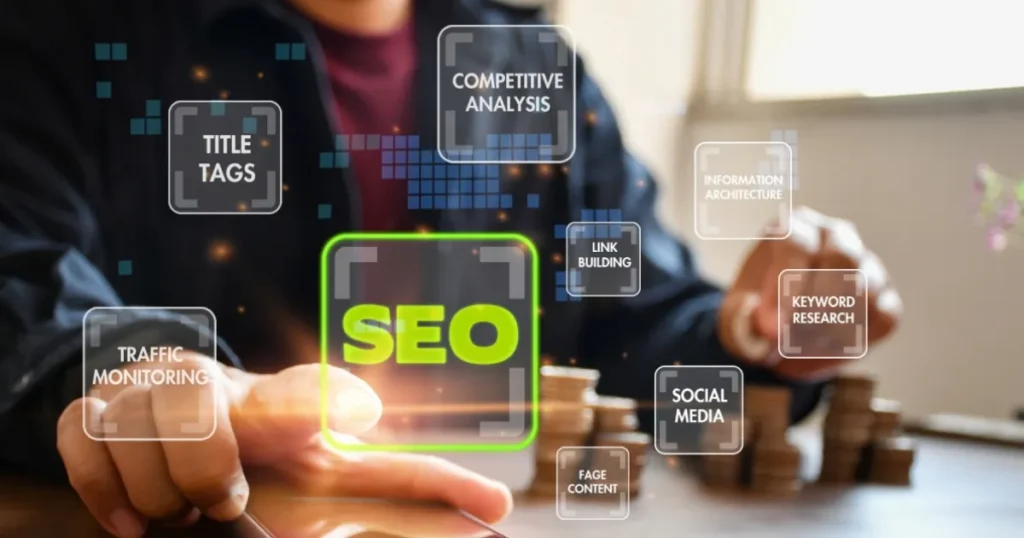
SEO stands for “Search Engine Optimization.” The process of optimizing a website makes it more visible and ranks it higher in search results. This is done with tactics and methods. They improve the backlink profile. They also work on the content and structure of the website, among other things.

Blog

How to use SplideJs?

In the ever-evolving world of web development, creating visually appealing and highly functional websites is paramount. For WordPress users, integrating robust and versatile JavaScript libraries like Splide.js can significantly enhance the user experience.

Scroll to Top